Table of Contents
ToggleEuropean Migration Policy: A Deep Dive into The Challenges
An Overview of Migration Policy in Europe
Migration to Europe has become a critical issue within both political and social spheres. The policies addressing this are aimed at balancing humanitarian concerns, economic needs, and security considerations.
European migration policy is an intricate system designed to manage diverse migratory flows effectively. This guide delves into the various facets of European migration policy, examining its current structure and the challenges it faces.
The policy framework is built on several key treaties and agreements, which include the Dublin Regulation, the Schengen Agreement, and the European Convention on Human Rights. These instruments set the guidelines for how countries handle migratory movements and help coordinate efforts across the continent.
The European Union has a significant role in harmonizing migration policy among its member states, while individual countries retain a degree of autonomy to address their specific needs. This dual-layered system often leads to varied implementations of common guidelines, reflecting the different priorities and circumstances of each member state.
Migration policy in Europe must address a range of impacts, including political ramifications, social integration, and economic effects. Politically, migration is a polarizing issue that influences elections and party dynamics. Socially, integrating migrants into host communities presents both opportunities and challenges, depending on public attitudes and cultural factors.
Economically, migrants contribute to the labor market but are sometimes seen as competition for jobs and resources. Security concerns further complicate policy decisions, as balancing safety with humanitarian responsibilities remains a key concern for governments.
The Existing Migration Framework in Europe
The existing migration framework in Europe is shaped by key treaties and agreements that outline how countries manage migratory movements. The Dublin Regulation establishes criteria for determining which EU member state is responsible for processing an asylum seeker’s application.
The Schengen Agreement allows for passport-free travel across many European countries, facilitating easier movement for migrants once they are within the Schengen Area. Additionally, the European Convention on Human Rights sets out fundamental rights and freedoms that must be respected, impacting how migration policies are enacted and enforced.
The European Union serves as a central body for coordinating and harmonizing migration policies among its member states. This coordination helps to establish a unified approach, although individual countries maintain some autonomy to address their specific needs and circumstances. This results in diverse implementations of common guidelines across the continent, reflecting each member state’s unique priorities.
Another important aspect of the framework is the role of agencies like Frontex, which is responsible for managing and safeguarding the EU’s external borders. Frontex plays a critical role in coordinating joint operations and providing technical assistance to member states, aiming to improve the management of migratory flows and enhance security.
In addition to these mechanisms, the EU has various funding programs to support countries facing significant migratory pressure. These funds aim to bolster border control, improve reception conditions, and facilitate the integration of migrants into host communities. This multi-pronged approach underscores the complexity and scope of managing migration within Europe.
Issues Confronting Europe's Migration Policy
Migration policy in Europe grapples with a range of complex issues, influencing the political, social, and economic landscapes. Politically, migration stirs intense debate and often becomes a key issue in elections, affecting party dynamics and government policies.
Socially, integrating migrants poses significant challenges and opportunities. Public attitudes toward migrants vary widely, influenced by cultural factors and media representation. In some areas, migrants are welcomed and seen as enriching the cultural fabric, while in others, they face resistance and discrimination.
Economically, the influx of migrants impacts labor markets in multiple ways. Migrants often fill essential roles in sectors experiencing labor shortages, contributing to economic growth.
However, they are sometimes viewed as competitors for jobs and social services, fueling public concern. These economic dynamics require careful management to ensure that the benefits of migration are maximized while addressing public anxieties.
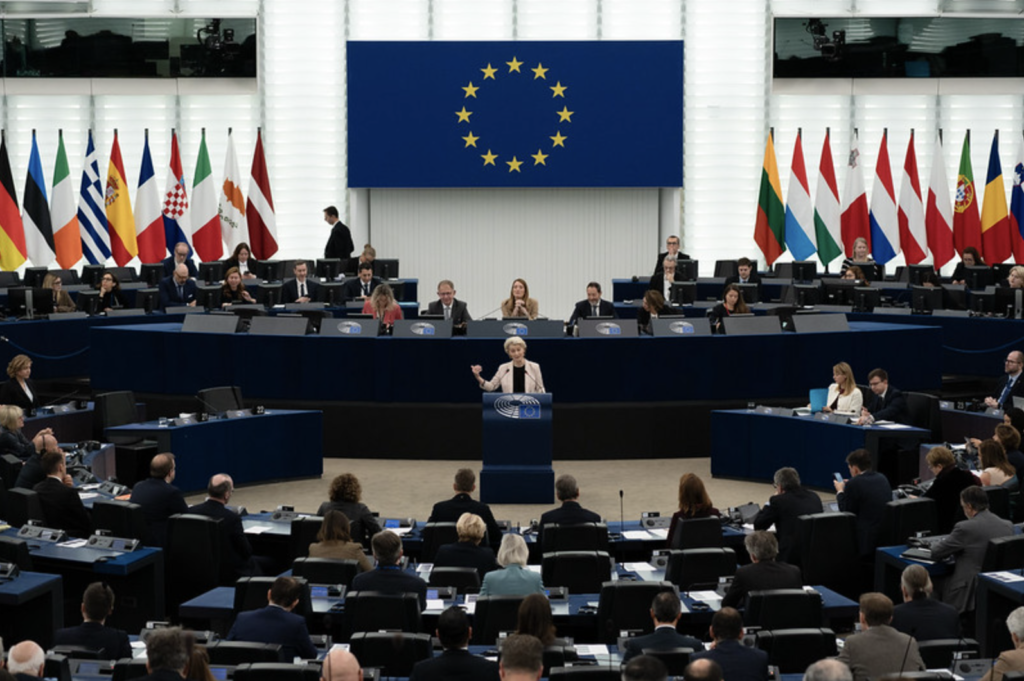
Security concerns add another layer of complexity to Europe’s migration policy. Governments must navigate the difficult task of ensuring national security while honoring their humanitarian obligations. This includes implementing rigorous vetting processes for asylum seekers and enhancing border controls, which can sometimes conflict with the principles of free movement and human rights.
Overall, these issues require a balanced and informed approach to create policies that effectively manage migration and foster social cohesion.
Principal Entities in Europe's Migration Arena
Several entities significantly influence migration policy in Europe. At the governmental level, both the European Union and national governments are instrumental in crafting and implementing policies. The European Commission proposes legislation and monitors compliance, while individual countries adapt these policies to their specific contexts.
Non-governmental organizations (NGOs) are pivotal in advocating for migrants’ rights and providing on-the-ground support. These organizations offer services such as legal assistance, housing, and social integration programs, often filling gaps left by governmental agencies. NGOs also play a critical role in raising awareness and shaping public opinion on migration issues.
International bodies like the United Nations High Commissioner for Refugees (UNHCR) and various human rights organizations exert significant influence on European migration policy. They offer guidelines and frameworks aimed at protecting the rights of migrants and ensuring their humane treatment. These international entities also engage in advocacy, urging European countries to adhere to international standards and obligations.
Additionally, Frontex, the European Border and Coast Guard Agency, is crucial for managing the EU’s external borders. This agency coordinates joint operations and provides technical support to member states, enhancing the overall management of migration flows.
Lastly, academic institutions and think tanks contribute through research and policy analysis, offering data-driven insights that help shape effective and humane migration strategies.
Migration's Effect on European Communities
Migration influences European communities by introducing cultural diversity and bolstering economic activity. With new perspectives and traditions, migrants enrich local cultures, contributing to a more vibrant and dynamic social fabric. This infusion of different customs and viewpoints often leads to increased cultural exchange, fostering mutual understanding and cooperation among residents.
Economically, migrants play a crucial role in filling labor shortages in various sectors, from healthcare to agriculture, ensuring the continuity of essential services. Their participation in the workforce helps to drive innovation and economic growth, as they often bring unique skills and entrepreneurial spirit. Additionally, the presence of migrants can lead to the creation of new businesses and the expansion of local markets, benefiting the broader community.
However, the influx of migrants also necessitates substantial efforts in social integration. Host communities must address challenges related to housing, education, and employment to ensure that migrants can successfully integrate and contribute positively. Public attitudes towards migrants vary, influenced by cultural factors and local experiences, which can affect the success of integration efforts. Thus, promoting inclusive policies and fostering community engagement are critical to harnessing the full potential of migration’s benefits.
Prospects for Migration Policy in Europe
The future of migration policy in Europe could see several significant reforms. Policymakers are considering ways to distribute responsibilities more evenly among EU countries, ensuring that no single nation bears a disproportionate burden.
Streamlining asylum processes to make them faster and fairer is also high on the agenda. Technological advancements are expected to play a crucial role, providing innovative solutions for border management and improving the efficiency of services offered to migrants.
Additionally, demographic shifts and geopolitical changes will require the European migration policy framework to remain flexible. New strategies might include leveraging data analytics to predict migration trends more accurately and deploying digital tools to enhance migrant identification and tracking. The use of biometrics and automated systems at borders could further bolster security measures while expediting legal entry for migrants.
There is also a growing emphasis on fostering international cooperation. Strengthening partnerships with countries outside the EU could help manage migratory flows more effectively and address root causes of migration, such as conflict and economic instability. Funding for development projects in migrants’ countries of origin might reduce the need for people to leave their homes in the first place.
Efforts to improve integration policies are likely to gain momentum, focusing on better access to education, healthcare, and employment for migrants. Promoting inclusive policies and fostering community engagement remain essential to harnessing the benefits of migration.

European migration policy requires a careful balance between security and humanitarian responsibilities. With the increasing complexity of migratory patterns, it is essential to adopt a flexible and adaptive approach. Cooperation among EU member states and with international partners is crucial for effective management. Leveraging technology and data analytics can enhance policy efficiency and improve border security.
However, it is equally important to focus on social integration by providing migrants with access to education, healthcare, and employment. By promoting inclusive policies and engaging local communities, Europe can harness the positive aspects of migration while addressing challenges. Continuous evaluation and reform will ensure that migration policy remains fair and sustainable, benefiting both migrants and host societies.